





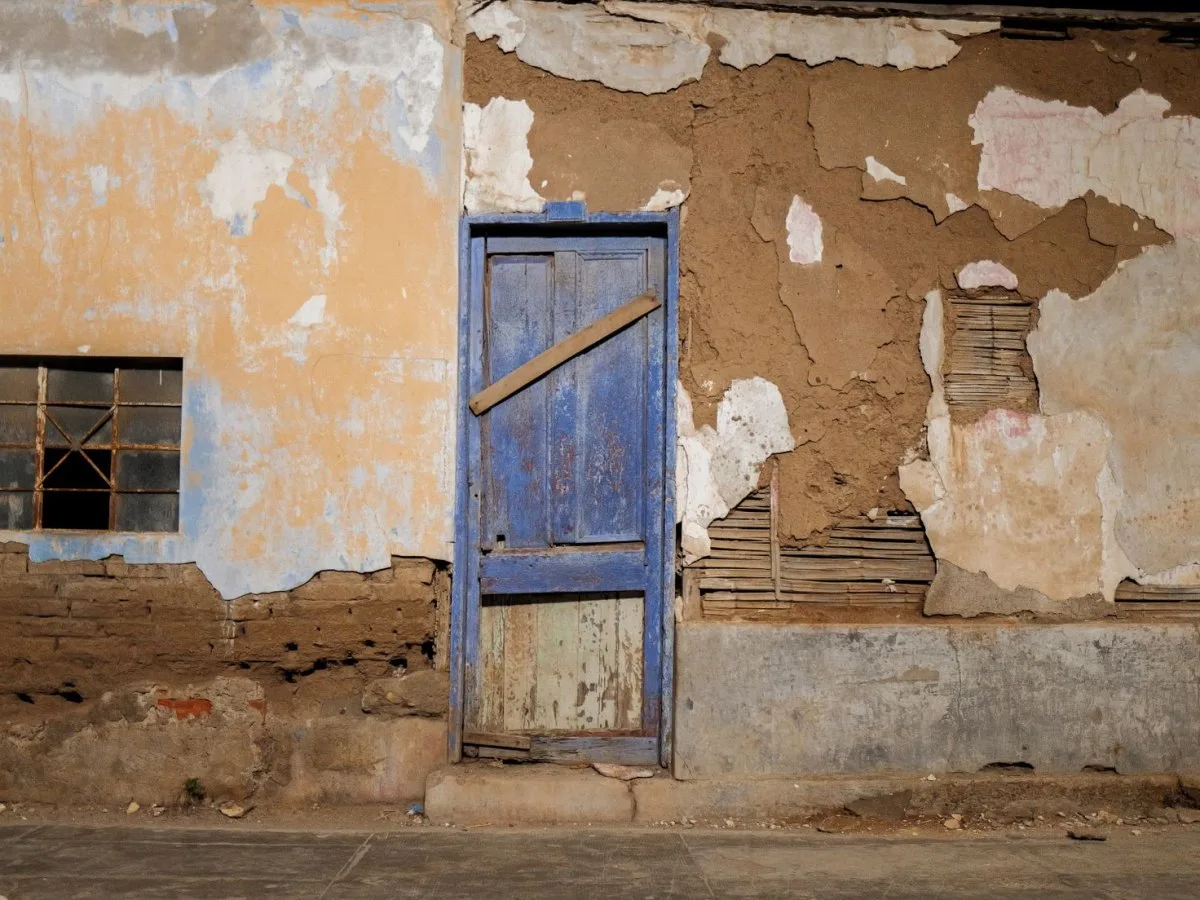
Earthen architecture encompasses far more than a construction technique. It includes mosques, palaces and granaries, as well as historic centres, cultural landscapes and archaeological sites. In these places, locally available material becomes a built environment and, at the same time, part of a social and cultural history.
This breadth was at the heart of the first international colloquium on the conservation of World Heritage earthen architecture, held at UNESCO headquarters in Paris on 17 and 18 December 2012, in partnership with CRAterre-ENSAG and as part of the World Heritage Earthen Architecture Programme (WHEAP). The meeting brought together 240 participants and took place halfway through the programme, which began in 2007 and was planned to run until 2017.
Conserving buildings and recognizing ways of life
Earth is not a material confined to the past: it is still used in contemporary construction. For that reason, discussion of its conservation is not limited to maintaining historic buildings. It also involves knowledge, beliefs and ways of shaping the environment. The meeting itself framed earthen architecture as part of cultural heritage and of the conditions for community development.
The colloquium brought together specialists, practitioners, students and site managers. The participation of site managers put field experience alongside research and institutional work. That exchange matters: decisions about a heritage building or landscape take place in inhabited and managed places, not in material abstractions.
Earthen architecture, moreover, has no single form. WHEAP linked it to urban ensembles, archaeological sites and cultural landscapes. The range of scales changes what conservation means: the issue is not necessarily the same for a freestanding building, a historic urban fabric or a landscape where structures form part of a wider territory.
Four lines of work to guide practice
Discussions were organized around four themes: research; methods and practices related to earthen architecture; capacity building; and awareness-raising and outreach, both locally and more broadly. Together, these themes connect knowledge of materials and places with the possibility of communicating and applying it.
WHEAP aimed to improve the conservation and management of earthen architecture sites through pilot projects, research, training and awareness-raising activities. Its approach included identifying relevant practices and disseminating conservation and management methods. The colloquium offered a space to review the programme’s work and present the diversity of this architecture on the World Heritage List.
Conservation also faces different pressures, including natural and human impacts, urbanization, industrialization and the disappearance of traditional practices. No single solution follows from that list. Rather, the threats described help explain why research and management need to take the specific conditions of each site into account.
From exchange to conservation tools
The meeting included exhibitions on two decades of contributions to World Heritage and on women builders in Africa, with perspectives from Burkina Faso and Niger. It also concluded with an appeal from its Scientific Committee to recognize the singular nature of this heritage and develop specific guidance for its conservation and promotion.
Proposals included adding an annex on earthen architecture to the Operational Guidelines for the Implementation of the World Heritage Convention and considering the preparation of a reference manual. These were proposals, not tools already approved at the time of the colloquium. In 2013, UNESCO published the meeting proceedings in the volume Earthen Architecture in Today’s World, bringing together contributions on cities, archaeological sites, cultural landscapes, conflict, natural disasters, contemporary architecture, education and outreach.
A perspective that connects material and community
The value of this approach for thinking about everyday spaces lies in not separating construction from the relationships that keep it alive. Conserving an earthen building can be connected with local practices, forms of organization and housing needs; this is an interpretation of the programme’s scope, not a claim that all sites share the same conditions.
The 2012 meeting set out an agenda combining knowledge, capacity and communication. Its documentary legacy extends that discussion through case studies and examples of management and conservation. For earthen architecture, conservation means more than prolonging a structure’s physical presence: it also entails attending to the diversity of places and to the communities for whom they remain part of the built environment.
At a glance
Scope
Editorial reading; it does not constitute a visit or a technical assessment.
Sources and references
UNESCO holds the first International Colloquium on the Conservation of World Heritage Earthen Architecture ↗20/11/2026 UNESCO World Heritage Centre, “UNESCO holds the first International Colloquium on the Conservation of World Heritage Earthen Architecture”.
World Heritage Centre - World Heritage Earthen Architecture Programme (WHEAP) ↗20/11/2026 UNESCO World Heritage Centre, “World Heritage Earthen Architecture Programme (WHEAP)”.
Colloquium : World Heritage Earthen Architecture - UNESCO World Heritage Centre ↗20/11/2026 UNESCO World Heritage Centre, “Colloquium: World Heritage Earthen Architecture”.
UNESCO publishes proceedings of the International Colloquium on the World Heritage Earthen Architecture Programme (WHEAP) - UNESCO World Heritage Centre ↗20/11/2026 UNESCO World Heritage Centre, “UNESCO publishes proceedings of the International Colloquium on the World Heritage Earthen Architecture Programme (WHEAP)”.
UNESCO World Heritage Centre - Series ↗20/11/2026 UNESCO World Heritage Centre, Earthen Architecture in Today’s World, World Heritage Paper Series, no. 36, .
Photograph · Photo by Joshuan Barboza on Pexels · Pexels License · Sources and references · Centred crop to 4:3, resizing and conversion to JPEG for House Angle.