





Before you start: check what protection applies
In Bavaria, a listed architectural monument (Baudenkmal) can be a building or part of one; the category also includes features such as gardens, city walls and bridges. A protected group (Ensemble) may encompass several buildings whose value lies in the character of a place, square or street. Protection can extend to interiors and ancillary features, not just the façade.
The Bavarian Monument Atlas lets you look up known monuments, protected groups and archaeological areas. The available information does not rule out the possibility that identification of a property is still under way. If it is unclear whether protection applies to a plot or a particular part of a building, consult the relevant authority before commissioning work.
Heritage protection does not mean a house cannot be altered: listed buildings can continue to be used and lived in. Whether an intervention is possible depends on the property’s characteristics and the proposal. The fact that a type of work is common in other houses does not mean it is permitted in this one.
When is permission required?
In Munich, the Untere Denkmalschutzbehörde (the city’s lower heritage protection authority) handles permissions under Bavarian law. In general, heritage permission is required to demolish, alter or move a listed architectural monument. It is also required for exterior work on buildings within protected groups or near monuments or protected groups if the work could affect their appearance. Excavations in archaeological monument areas require heritage permission.
The law lists certain works that are exempt from the heritage-permission procedure under Articles 6 and 7 of the Bavarian Monument Protection Act (BayDSchG). However, excavations in archaeological monument areas require permission under Article 7. Exemption from heritage permission does not remove the obligation to comply with other public-law requirements. Do not assume that small-scale or interior work is exempt: ask the authority about the specific case.
If the project requires a building permit, it generally replaces the heritage permission. Excavations in archaeological monument areas are an exception: a separate heritage permission is also required.
How to prepare for a consultation and application
Before submitting an application, describe the current condition, the parts affected and the proposed changes. The city indicates that an application should include:
- the completed application form;
- a description of the proposed work;
- a representation of the building or the part to be altered, such as a window plan or photographs;
- a representation of the proposed change;
- an anticipated work schedule;
- for excavations in an archaeological area, site plans showing the proposed work in detail;
- information about previous consultations with the heritage or building authorities.
The specific documents required depend on the intervention. If the project affects historic features, building services, energy use, accessibility or the structure, explain these aspects from the outset and ask what technical information the authority needs. An appointment is required to receive advice from the city office.
In Bavaria, the local heritage authority is the Untere Denkmalschutzbehörde for the relevant district or independent city. The Bayerisches Landesamt für Denkmalpflege (Bavarian State Office for the Preservation of Monuments) provides specialist advice; as a rule, the local authority obtains its opinion before making a decision. For a property in Munich, the city service lists these contact details:
- Untere Denkmalschutzbehörde, Landeshauptstadt München
- Telephone: +49 89 233-23283
- Email: plan.ha4-60@muenchen.de
- Service address: Blumenstraße 19, 80331 München
- Postal address: Blumenstraße 28b, 80331 München
Check the city’s service page for the current form, contact details and procedure before submitting an application.
Plan the renovation in stages
Assessing the property, defining the project and considering funding before work begins can make planning easier. This sequence is a practical guide, not an official procedure or a guarantee of permission:
- Check the heritage status. Consult the Bavarian Monument Atlas and find out whether the property is an individual monument, part of a protected group or in an archaeological area.
- Define the problem and objective. Distinguish between repair, replacement and alteration; identify the affected parts and describe the outcome you want.
- Consult the authority before finalising the project. Ask whether heritage permission, a building permit or both are required, and what documents should accompany the proposal.
- Consider funding before entering into a contract. If you plan to apply for a grant or seek tax benefits, check the requirements and any steps that must be taken in advance for your case.
- Wait for the necessary decisions. A consultation is not permission. Do not treat an intervention as approved until you have received the relevant decisions.
Energy, heating and solar panels
The requirements of the Gebäudeenergiegesetz (GEG), Germany’s Building Energy Act, also apply to monuments, subject to certain exceptions. The law allows for possible exceptions where meeting its requirements would harm a monument’s substance or appearance, or where other measures would involve disproportionate effort. Application depends on the property and the intervention; it cannot be determined in general for all protected houses.
The 2023 amendment to the Bavarian Monument Protection Act made it easier to use renewable energy in listed architectural monuments and protected groups. That does not mean every installation is authorised without assessment. Before commissioning a solar installation, a heating-system change or insulation improvements, check the heritage, building and energy requirements.
Grants and tax benefits: check the requirements before acting
The Bayerisches Landesamt für Denkmalpflege may grant subsidies for the preservation, stabilisation and restoration of listed architectural monuments that are not state-owned. Individuals, municipalities and churches may apply, but there is no automatic entitlement to funding: decisions depend on the case and the funds available.
The State Office lists conditions that include that the work has not yet begun, the necessary permits have been obtained, and the intervention has been coordinated in advance with the local heritage authority and the State Office. The grants page describes a two-stage process, beginning with the local heritage authority. Check the full requirements there before commissioning or starting work; do not send grant forms directly to the State Office.
Tax-benefit routes are also available for certain work on protected buildings. For deductions under Sections 7i, 11b, 10f and 10g of the German Income Tax Act (EStG), the official guidance says measures must be coordinated with the State Office before they begin. Once the agreed work is complete, you can apply for a certificate confirming the basis for tax benefits. The application requires documents including permits and approved plans, proof of coordination, a cost breakdown, invoices and proof of payment. Eligibility and tax treatment depend on the case: confirm the requirements with the relevant authorities and seek tax advice where necessary.
Next step
Gather the property address, a brief description of the proposed work and photographs or plans of the affected parts. Consult the Monument Atlas and book an appointment with Munich’s Untere Denkmalschutzbehörde. If the project includes excavation, structural changes or energy measures, mention this when asking for guidance: it may affect the permissions and documentation required. For a grant or tax benefit, also find out which agreements need to be in place before you commission or begin the work.
At a glance
Nexo request
- 1107
- nexo:broken-link:1107:priority:v1
- Stadt München Untere Denkmalschutzbehörde
- es
- Artículo en alemán para propietarios de edificios protegidos: qué implica que una casa sea Baudenkmal, qué obras necesitan permiso de la autoridad de protección del patrimonio (Untere Denkmalschutzbehörde), ayudas y ventajas fiscales, y cómo planificar una reforma. Sustituiría el enlace «Stadt München Untere Denkmalschutzbehörde», cuya página ya no existe.
- https://www.baudenkmalpflege.eu/links.html
- http://www.muenchen.de/rathaus/Stadtverwaltung/Referat-fuer-Stadtplanung-und-Bauordnung/Denkmalschutz.html
- 3095601ba224b1c104ae8d8721d17736ff5b33989e94f7966412441f06128f04
Priority authorization
- explicit_owner_instruction
- 1107
- highest_native
- 1
- 1
- 1
Required locales
- es
- en
- fr
- it
- de
- pt
Research required
1
Sources and references
Denkmalschutzrechtliche Erlaubnis - Untere Denkmalschutzbehörde – Landeshauptstadt München ↗19/11/2026
Denkmalschutz in München – Landeshauptstadt München ↗19/11/2026
Informationen für Denkmaleigentümer ↗19/11/2026
Zuschüsse bei Baudenkmälern ↗19/11/2026
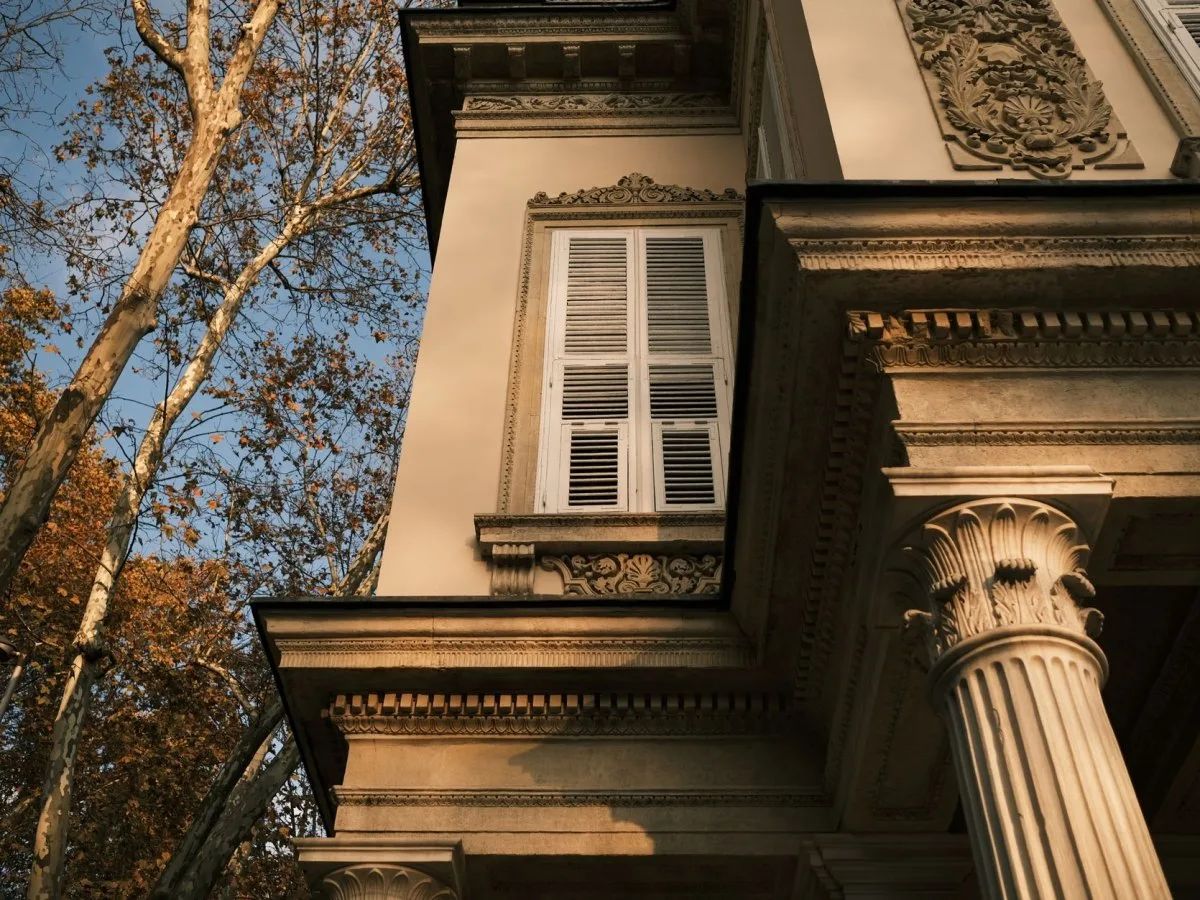
Photograph · Photo by Sami Aksu on Pexels · Pexels License · Sources and references · Centred crop to 4:3, resizing and conversion to JPEG for House Angle.