





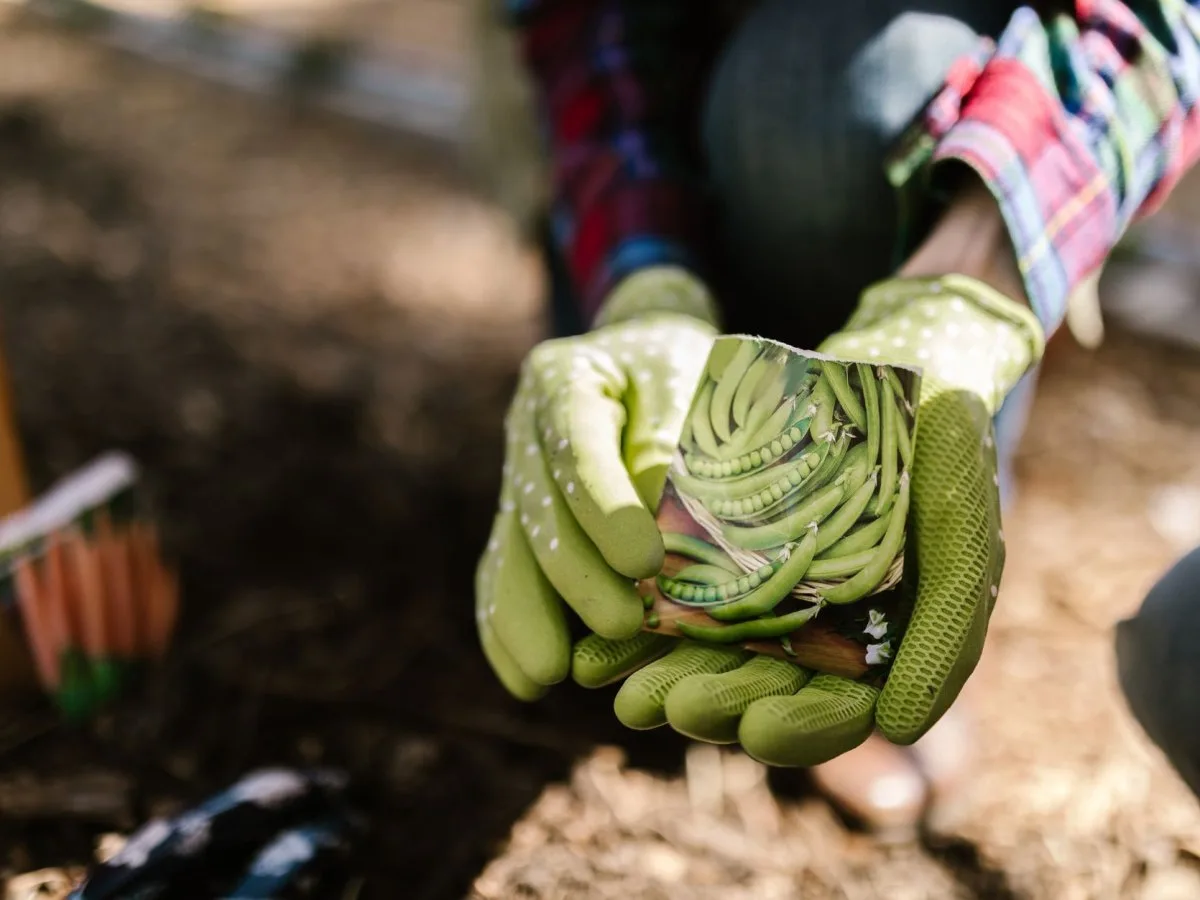
A productive vegetable garden starts with simple decisions: what you want to harvest, how much space you have and what conditions your soil offers. The right planting date does not depend on the month alone. Frost, soil temperature and each plant’s needs also matter.
This guide brings together general planning principles and a regional calendar and crop profile. The dates given apply to Minnesota and the Upper Midwest of the United States; they should not simply be transferred to other regions. The available documentation does not provide reliable instructions for growing culinary herbs.
1. Start with climate and soil
Before buying seeds, find out approximately when the last spring frost occurs in your area and consult your region’s growing recommendations. When deciding when to plant, soil temperature is often more useful than the calendar alone: different crops tolerate cold differently.
As a general guide, distinguish between:
- Cool-season crops, such as peas, spinach, lettuce and radishes, which can be sown while the soil is still cool and need to grow before intense heat arrives.
- Warm-season crops, such as tomatoes, eggplants, peppers, squash and basil, which need more warmth. In areas with frost, wait until the local risk has passed before planting them outdoors, and confirm the right timing for each crop.
Some vegetables, such as carrots, radishes and beets, do not tolerate transplanting well and are sown directly in the garden. Others can be started indoors to get a head start on the season, provided they receive enough light and are gradually acclimated before going outdoors.
2. Prepare the soil when it is workable
Work the soil when it has the right amount of moisture. If it sticks to your boots or shovel, it is too wet. You can also squeeze a handful: at the right moisture level, the soil crumbles into small clumps; if it holds its shape in a ball, wait for it to dry more.
Prepare a firm, fine surface for sowing, especially for small seeds. Avoid compacting the soil too much: a surface crust can form and make it harder for seedlings to emerge. Consider a soil test before adding fertilizer; the results can help determine whether amendments are needed and which nutrients to supply.
For kale and collards, regional recommendations include improving the soil with well-rotted manure or compost in spring or fall. Do not use fresh manure for these crops: it may contain harmful bacteria and increase weed problems. Do not automatically generalize these crop-specific instructions to other plants.
Organize the beds
Mark out growing areas and leave space to walk, weed and harvest without stepping on planted ground. The size and layout depend on the space available and each crop’s needs; follow the spacing instructions for the seeds or plants you choose.
If excessive rain saturates the soil, building raised beds is one possible response. It is not a universal solution: consider your garden’s conditions before deciding.
3. Plant according to the crop, not a fixed date
Cool-season crops can be sown when soil and local weather conditions are suitable. In the region covered by the planting guide, peas, spinach, lettuce and radishes can be sown when the soil is about 4–10°C. That reference applies to that regional guide and does not replace local recommendations.
Tomatoes, peppers, eggplants and basil need warmer conditions. In the regional example, the recommendation is to wait until after the last frost to transplant warm-season crops; the specific date varies by location.
If you start seeds indoors:
- Use clean containers and follow the packet’s instructions for planting depth: not all seeds are covered in the same way.
- Keep the growing medium moist, not waterlogged.
- Once seedlings appear, give them enough light.
- Before transplanting, acclimate them gradually to outdoor conditions. The regional guide for kale and collards recommends reducing watering and temperature for two to three days before transplanting.
- Transplant carefully, keeping the root ball intact if possible, and water afterward.
Check the specific instructions for each species and variety. Dates can vary between regions and between nearby gardens with different exposures or soil types.
4. Water according to actual soil moisture
There is no single watering frequency. Sandy soils may need watering twice a week; heavier clay soils or loamy soils rich in organic matter may need it once a week. Rainfall, heat, plant size and mulch also make a difference.
As a reference from the regional vegetable-garden watering guide, it is time to water when the soil is dry about two inches (approximately five centimeters) below the surface. To check, pull back the mulch and inspect the soil with a small shovel or trowel. Do not wait for future rain if the plants need water that day.
Water slowly and close to the base of the plants so water reaches the roots without washing away the soil. Avoid both prolonged drought and waterlogging: roots need water, but they also need oxygen. Mulch can help conserve moisture; check the soil beneath it before deciding whether to water.
The regional guide gives one inch of water per week as a general reference for a vegetable garden. Actual needs depend on the soil and conditions. A rain gauge can help measure rainfall and adjust watering.
5. An indicative seasonal calendar
The sequence below summarizes tasks described for the Upper Midwest of the United States. It is not a universal calendar: adapt the timing to your region’s conditions and local recommendations.
| Time of year | Possible tasks in the regional example | What to keep in mind |
|---|---|---|
| Early spring | Sow or transplant cold-tolerant vegetables; start plants that need more time indoors. | The regional guide places some cool-season crops in April, but that month cannot be transferred to other areas. Check local conditions. |
| Late spring | Sow or transplant heat-loving crops when conditions are suitable; mulch the beds. | The regional calendar places sweet corn, beans, tomatoes and peppers from mid- to late May, or in early June. The planting guide gives different dates depending on the type of bean. |
| Summer | Control weeds, check soil moisture and harvest regularly. | Heat and lack of water can harm the growth and quality of some leafy vegetables. |
| Mid- to late summer | Start crops for an autumn harvest, such as certain leafy and root vegetables. | In the regional example, fall crops are sown from mid-July to mid-August, depending on the species. |
| Fall | Harvest, clear the garden and, depending on the climate, sow cover crops. | Dates and tasks depend on local conditions and the practices used in each garden. |
In the region described, some vegetables—such as leaf lettuce, radishes and kohlrabi—can be sown in more than one round during the season. Consult local recommendations to choose suitable dates.
6. Regional growing profile: kale and collards
Kale and collards are leafy vegetables related to broccoli and cabbage. They tolerate cold and can keep producing after the first fall frosts. The following guidance comes from a Minnesota guide and does not give universal dates.
- Crop rotation: Do not plant them where cabbage, cauliflower, broccoli, Brussels sprouts, collards, kale, mustard, turnips or rutabaga have been grown for the past four years.
- Planting: In the regional example, they can be direct-sown in spring as soon as the soil is workable. For a fall harvest, the guide recommends starting seeds indoors in June; in other regions, timing depends on local conditions.
- Soil: Well-drained loamy soil with plenty of organic matter is suitable. The guide recommends a soil test and adding nutrients according to its results.
- Water and growth: Heat or lack of water can make the leaves tougher or more bitter. Check soil moisture and avoid water stress.
- Harvest: Pick individual leaves when they reach a useful size. If you leave young leaves on the plant, you may get several harvests; you can also cut the whole plant.
Pests, diseases and fertilizer recommendations depend on location and diagnosis. If damage persists or unfamiliar symptoms appear, first identify the problem with help from a local horticultural extension service before applying treatments.
7. A routine for monitoring the garden
- Check moisture below the surface before watering.
- Remove weeds while they are small, taking care not to damage the plants.
- Watch the leaves and stems for changes.
- Harvest vegetables when they are ready and note which varieties did well.
- Adjust future plantings to local recommendations and soil conditions.
A record of dates, varieties, rainfall and results can help improve planning for the following year. Start with a few crops and observe how your soil responds before expanding the garden.
At a glance
Nexo request
- 1085
- nexo:broken-link:1085:priority:v1
- Spanish reference article on growing (what and when to plant by season, soil and bed preparation, basic vegetable and herb guides, watering, and a seasonal task calendar)
- es
- New article in House Angle’s Garden section: ‘Gardener’s growing guides: the complete practical guide’ (suggested title). The missing resource, Gardeners Library (www.Gardeners-Library.com), was a gardening information site: ‘The total web resource for gardeners... the best gardening information and growing guides’. House Angle’s /es/jardin section already covers design, projects, and some practical guides (watering, shade, containers), but there is no growing reference guide. Proposal: a Spanish reference article on growing (what and when to plant by season, soil and bed preparation, basic vegetable and herb guides, watering, and a seasonal task calendar). Audience: home gardeners and homeowners who want a productive vegetable garden or garden. Link from the /es/jardin hub. Gap to assess in the subsequent task: a seasonal growing calendar and plant-specific guides are missing.
- https://www.zyra.org.uk/garden.html
- http://www.Gardeners-Library.com
- https://www.houseangle.com/es/jardin
- 6255d395fdfb3bc47e41ab2dfaf9413f8ec635793739a15f172d760800bf4745
Priority authorization
- explicit_owner_instruction
- 1085
- highest_native
- 1
- 1
- 1
Required locales
- es
- en
- fr
- it
- de
- pt
Research required
1
Sources and references
Planting the vegetable garden ↗19/11/2026 University of Minnesota Extension, Planting the vegetable garden.
Upper Midwest home garden care schedule ↗19/11/2026 University of Minnesota Extension, Upper Midwest home garden care schedule.
Watering the vegetable garden ↗19/11/2026 University of Minnesota Extension, Watering the vegetable garden.
Growing collards and kale in home gardens ↗19/11/2026 University of Minnesota Extension, Growing collards and kale in home gardens.
Photograph · Photo by RDNE Stock project on Pexels · Pexels License · Sources and references · Centred crop to 4:3, resizing and conversion to JPEG for House Angle.