





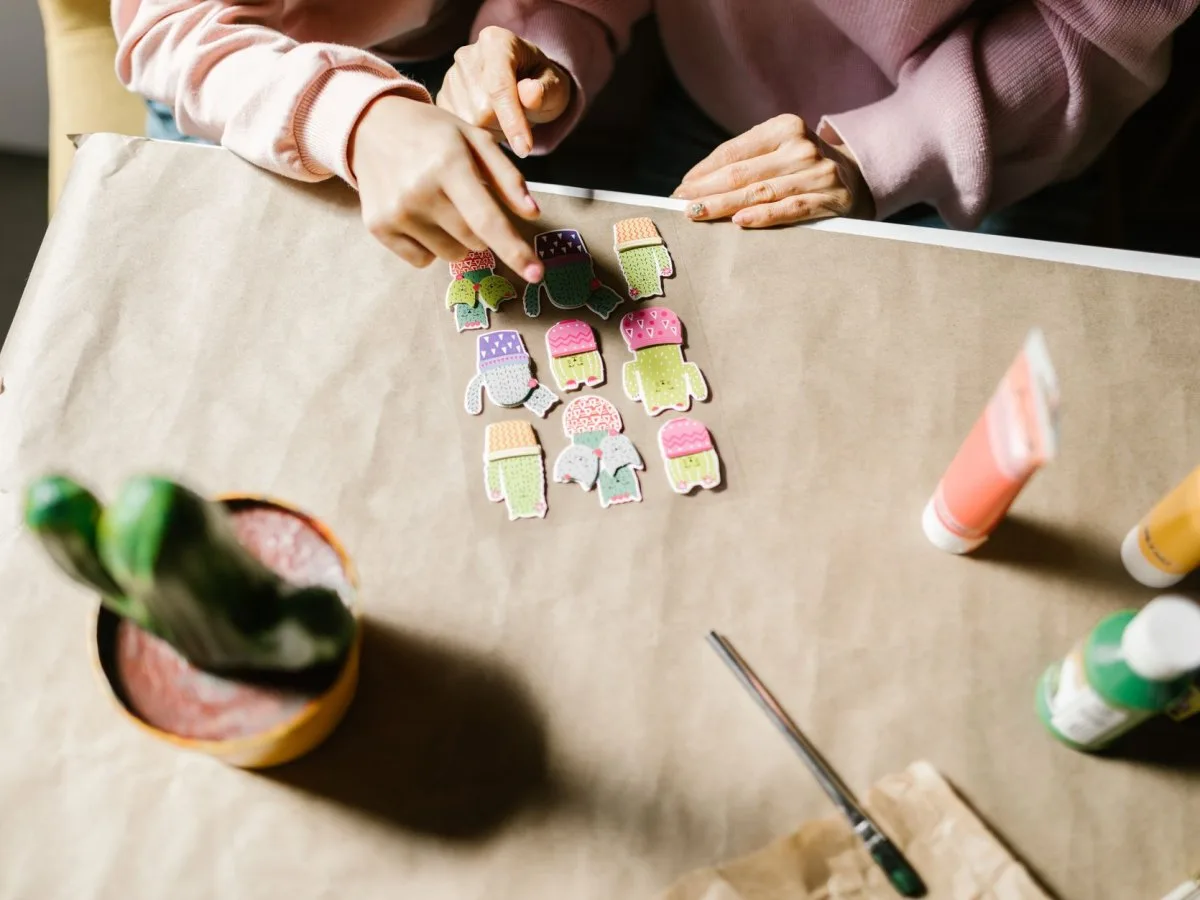
Design can be explored through conversation, learning and hands-on activities. The Design Museum’s public programme brings together talks, courses and workshops related to the museum’s exhibitions, displays and design culture more broadly. It is intended for adults, families, young people, community groups and visitors with access needs.
Talk, explore, make
Talks and events offer opportunities to discover design. Some of the programme takes place in the Bakala auditorium, which has a capacity of 200 people. Courses offer ways to explore contemporary design in greater depth and include symposia, masterclasses and workshops.
The range of formats suggests different ways to take part: listening and debating, studying a topic in more detail, or learning through practice. This is an interpretation of the programme’s structure, not a description of the specific experience of each activity. The available information does not support generalisations about their content, duration or format.
Activities for different audiences
For young people aged 12 to 19, the programme lists events, workshops and other learning opportunities devised with and for them. Families have a monthly programme of activities, including free and ticketed workshops and gallery experiences for children aged 5 to 11.
For community groups, Design and Wellbeing brings together sociable activities intended to enrich everyday life. For school groups, the offer includes self-directed exploration of exhibitions. Separately, the learning programme for children and young people mentions Design Camps and collaborative workshops.
Taken together, these formats show that design learning is not limited to a specialist course or a single age group: it can take the form of a family activity, a self-directed school visit, a youth workshop or a community gathering. Without detailed information about each event, it is not possible to conclude that all activities share the same approach, level of participation or access arrangements.
From hands-on learning to everyday spaces
Some documented examples illustrate the range of approaches: a crochet workshop for secondary-school students, a children’s lino-printing activity, and an event to draw and explore the museum’s architecture. These are examples of formats and topics, not a current schedule or a guarantee of present availability.
These examples invite reflection on how a technique, a creative activity or drawing a building can make design something to observe and practise. This connection to everyday life is an interpretation of the formats described, not a claim about guaranteed outcomes.
The programme combines different spaces and ways of gathering: an auditorium for talks, galleries for family experiences, and workshops for exploring practical activities. The specific experience depends on each event; the general information does not establish that all activities follow the same format.
What to check before planning
The general programme page says to see what is new and invites visitors to sign up for announcements of new events. The available documentation does not specify current dates, prices, places, booking requirements or particular access arrangements, or establish whether individual event listings are currently available or provide those details. These points therefore remain unconfirmed.
At a glance
Scope
Editorial reading; it does not constitute a visit or a technical assessment.
Sources and references
Talks, courses and workshops ↗12/11/2026
Public Programme - Design Museum ↗13/11/2026
Learning at the museum - Design Museum ↗13/11/2026
Search - Design Museum ↗13/11/2026
Objects of Desire: After Hours - Design Museum ↗13/11/2026
Unseen by Design: Representation, Belonging and the Cultural Void - Design Museum ↗13/11/2026
Fashion Life Drawing with Feben - Design Museum ↗13/11/2026
Workshop: Introduction to Woodwork - Design Museum ↗13/11/2026
Photograph · Photo by RDNE Stock project on Pexels · Pexels License · Sources and references · Centred crop to 4:3, resizing and conversion to JPEG for House Angle.