Expanded and reviewed with additional sources on
The Mediterranean does not fit in a palette
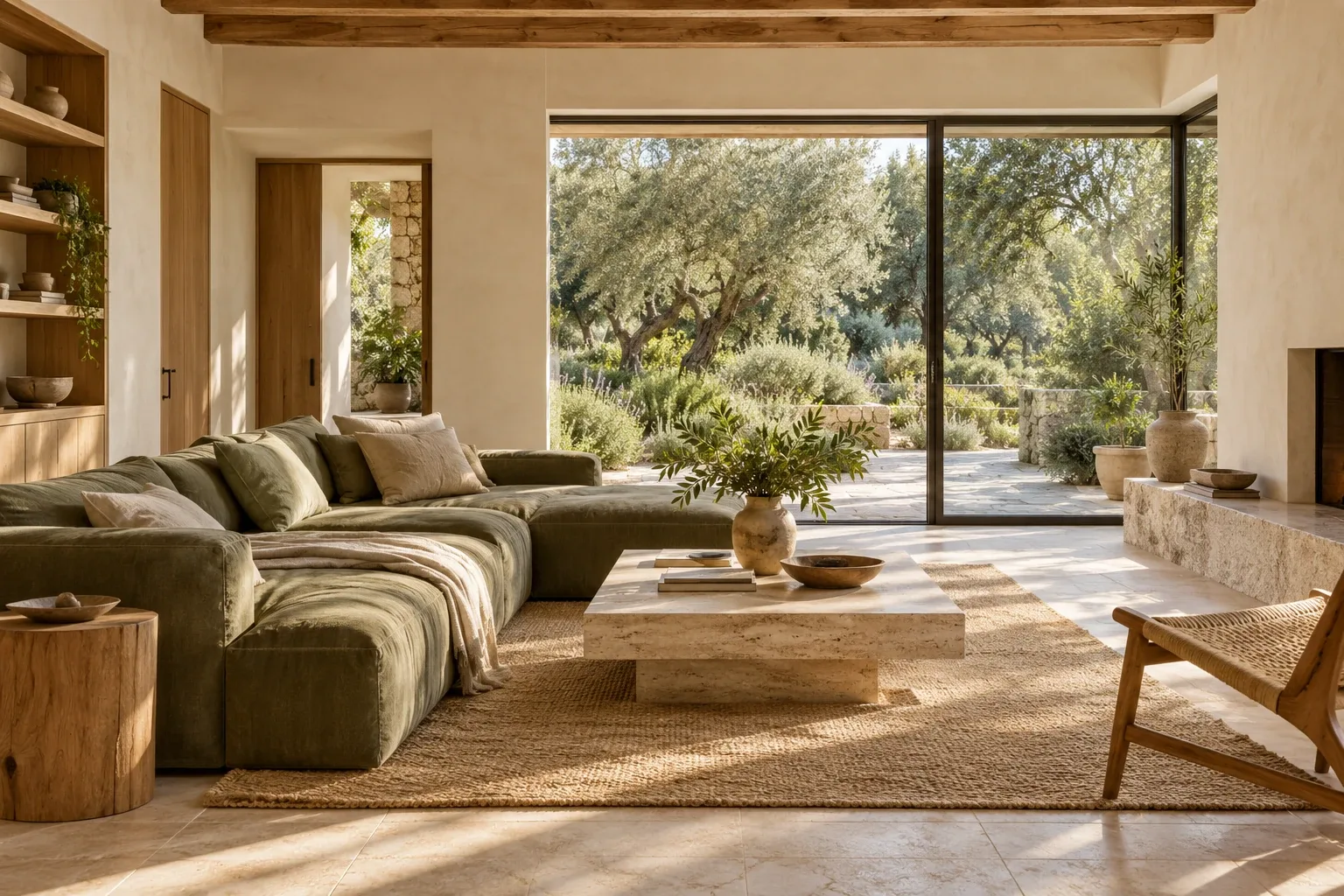
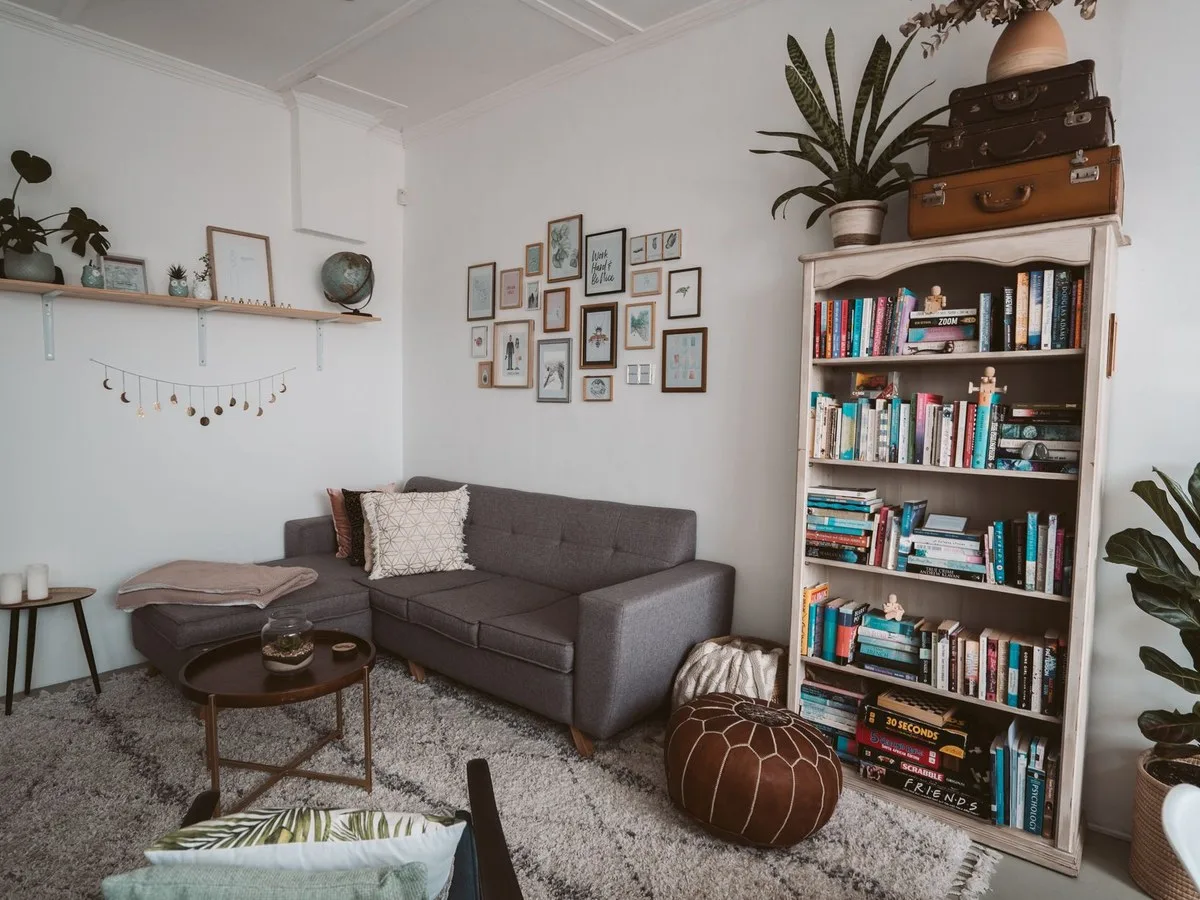
Treating Mediterranean style as a fixed combination of colors, materials and plants turns a diverse region into a decorative formula. A more useful decision begins with the place and the people who use it: which areas receive light, where shade falls, how people move through the space, what vegetation is already there, and what care it requires. Color can be part of the result, but it cannot replace an understanding of those conditions.
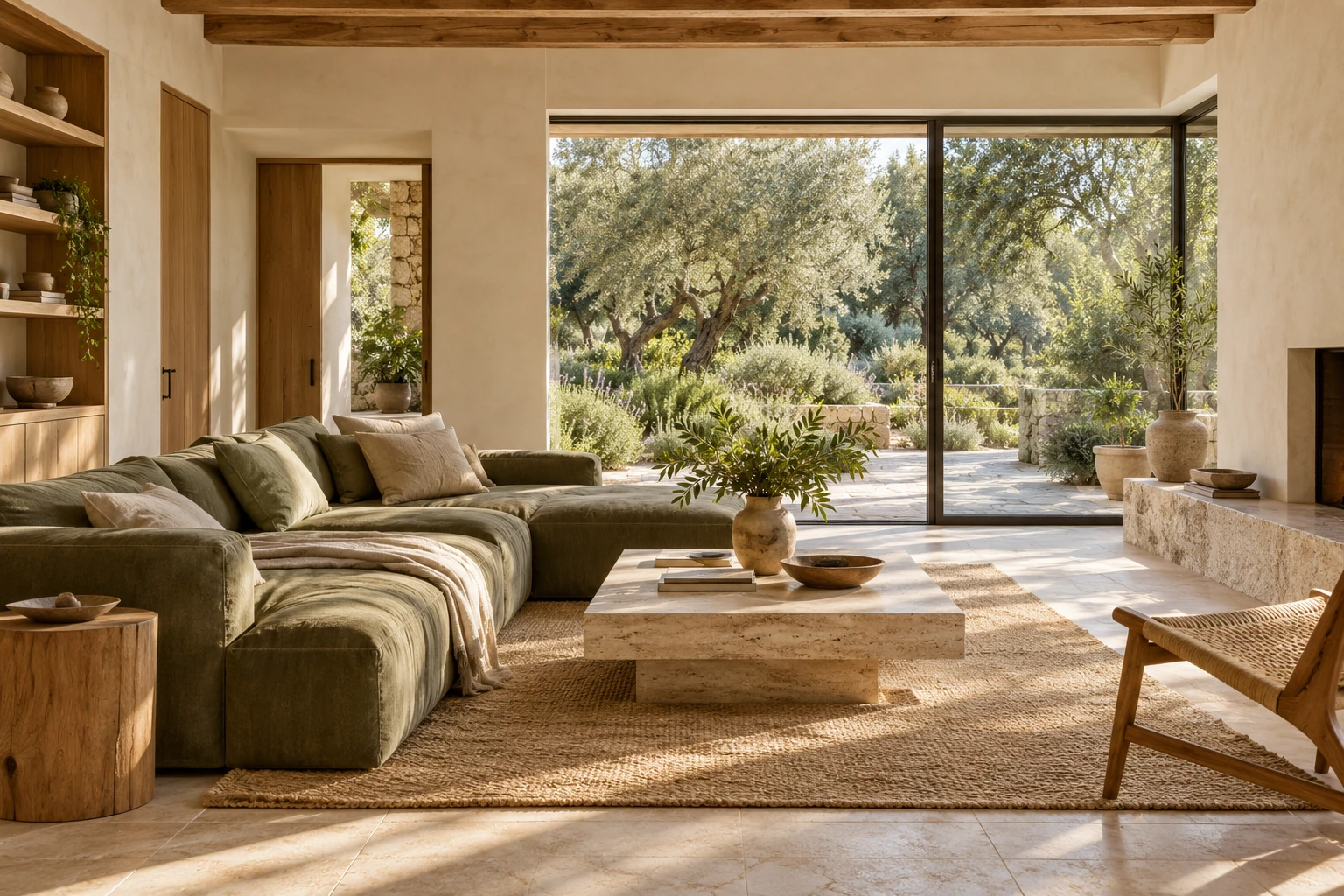
This approach distinguishes a visual intention from a practical conclusion. A reference image may suggest an atmosphere; on its own, it cannot show that a solution will work in another patio, home or climate. The starting point, then, is not to imitate a scene but to explain why a decision might make sense in a particular space.
Córdoba as a specific example
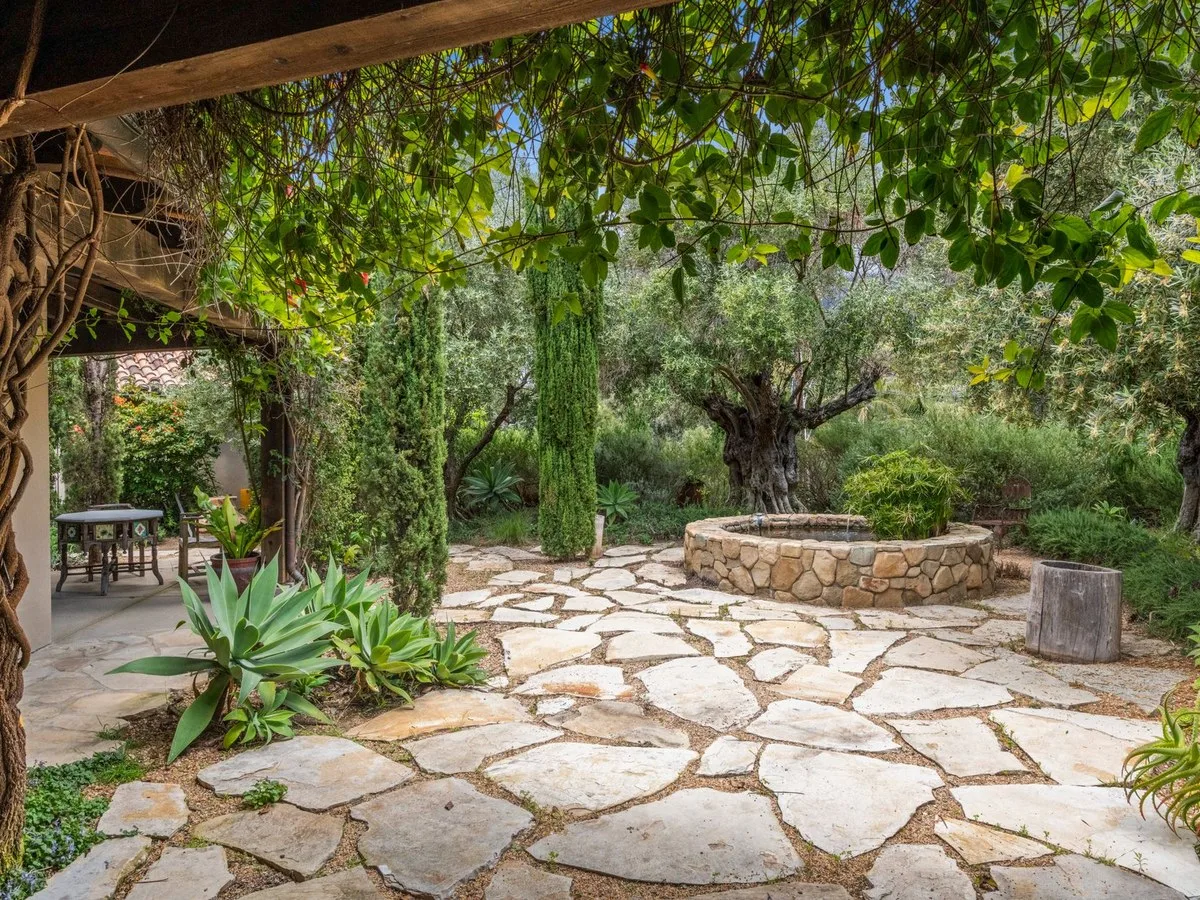
The Fiesta of the Patios in Córdoba is associated with homes and groups of homes with patios, including shared patios, in the historic center. These spaces support everyday interaction, plant care and the passing on of knowledge. The patio is therefore a domestic space, a place for social connection and a cultural practice sustained over time.
This example encourages us to look beyond surfaces: who cares for the patio, how it is shared and what everyday activities shape it are as relevant as the choice of finishes. But Córdoba does not represent every patio or every Mediterranean condition. A local tradition does not determine the layout, vegetation, exposure or climate of other homes. It is best understood as a particular example that broadens the questions, not as a template to reproduce.
Read shade without making assumptions
Shade does not describe a single condition. It matters what produces it and when it appears during the day. Shade cast by a building and shade created by trees, for example, are not equivalent: in the latter case, roots may compete for water, and the soil may be dry. Simply noting “shaded area” can therefore leave out information that matters when considering plants and their care.
Nor can we automatically infer that a shaded area is damp, cool or suitable for any particular plant. Guidance on shade gardening in the United Kingdom does not provide a universal plant list for Spanish patios. Assessing a planting proposal requires information about the specific site and references suited to its conditions. If that information is unavailable, it is more accurate to record the unknown than to turn a general association into a recommendation.
A useful observation can be simple and descriptive: note what casts the shade, at what times of day it appears, and whether trees are present. This helps compare options without pretending that a single observation determines all the soil conditions or plant requirements.
Natural light as a spatial decision
Daylighting uses windows or skylights to bring in natural light and regulate thermal conditions. Window placement and efficiency relate to artificial lighting and thermal loads. This helps explain why light is not merely a visual effect: it depends on how a space relates to its openings.
This general relationship does not provide energy-saving percentages or predict the outcome of a specific renovation. Wanting more light is not enough to conclude that an intervention will reduce energy use or improve thermal conditions. The orientation, existing configuration and characteristics of the proposed solution require their own assessment; those details are not provided here, and no construction changes are validated.
In an initial reading of a patio, it is still possible to note where natural light is perceived and what activities take place in those areas. That information helps frame a more precise question—for example, which room or activity the design should serve—without confusing an everyday observation with a technical calculation.
A worksheet for justified decisions
The table turns inspiration into a simple project worksheet. Each row separates what can be observed, a decision that could be explored and what should not yet be asserted. This caution prevents an image, a local custom or a general idea about light from becoming an unsupported conclusion.
| Aspect | What to record in the space | Decision to explore | What not to assume |
|---|---|---|---|
| Use and interaction | Who uses the patio, what activities take place there, and whether the space is shared | Organize the patio around those uses and the usual routes through it | That one model of a patio in Córdoba describes every Mediterranean home |
| Shade | What produces it and when it appears during the day | Compare options in light of the observed shade and intended use | That all shade means damp soil, lower temperatures or identical conditions |
| Vegetation and care | What plants are already there and what care the space requires, based on the information available | Preserve what is working as part of understanding the place, and identify what plant-related information is missing | That a plant recommended for another context is suitable for every Spanish patio |
| Natural light | Which areas receive light and what activities take place there | Consider how existing openings relate to the uses of the space | That a particular intervention guarantees energy savings or a specific thermal result |
| Materials and color | What is already there and what is intended to be preserved or changed | Compare samples and alternatives in relation to light, use and anticipated care | That one palette defines every Mediterranean space |
| Maintenance | Who will care for the space and what tasks they can realistically sustain | Prioritize decisions compatible with everyday care | That a conceptual image demonstrates durability, ease of maintenance or performance |
How to use the worksheet and identify what is missing
Start by filling in the observation column with details about the space, not aspirations: record its uses, routes, shade and light as they can actually be observed. Then frame each decision as an option to compare, not as a guaranteed outcome. If the idea is to change materials, for example, note what will be kept and what specific information is needed about each alternative. This guide does not compare products or certify their performance.
Next, use the final column to test the limits of what you know. If it is unclear whether shade coincides with tree roots, note that. If a particular plant is under consideration but relevant information for the site is unavailable, do not treat a general list as a final selection. If the goal is to improve lighting or thermal performance, distinguish that aim from any promise of energy savings: general relationships between openings, lighting and thermal loads do not calculate the effect in a specific home.
Finally, ask whether the decision can be explained through an observation, a practical need or information suited to the place. If the only justification is “it’s Mediterranean,” the reasoning is still too broad. The worksheet does not replace a specialist assessment when a decision requires technical data. Its purpose is to make clear what is known, what is proposed and what must be checked before proceeding.
An aesthetic that starts with place
Questioning a universal palette does not mean giving up on visual language. It means making color, materials and vegetation respond to an understanding of a lived-in patio, rather than using them as automatic signals of regional identity. The Córdoba example reminds us that patios can sustain social connection, care and cultural transmission; the discussion of shade shows how one word can conceal different conditions; and daylighting helps distinguish a spatial intention from a promise about energy performance.
The result is a more precise decision-making process: observe, explain, compare and make unknowns explicit. It does not create a Mediterranean recipe or present a completed project. It is a conceptual tool for preparing decisions that suit a space and the people who live in it.
At a glance
Editorial series
Styles for Living
Documented gallery
Sources and references
UNESCO · Fiesta of the patios in Cordova ↗Document consulted on October 19, 2026 · 19/10/2026
Royal Horticultural Society · Shade gardening ↗Document consulted on October 19, 2026 · 19/10/2026
U.S. Department of Energy · Energy 101: Daylighting ↗Document consulted on October 19, 2026 · 19/10/2026