





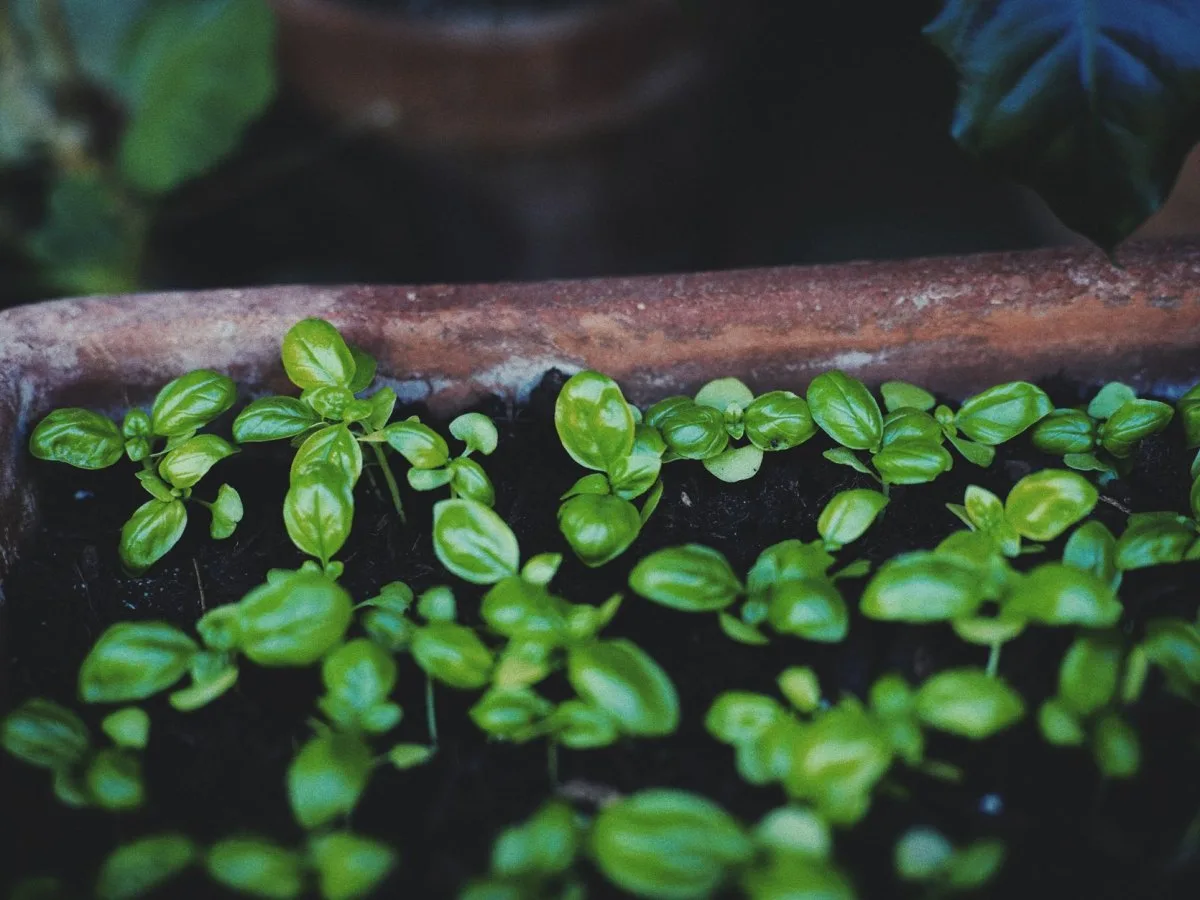
Growing culinary herbs is not just a horticultural activity, but a way of organizing domestic and outdoor space. Choosing between a traditional garden, a raised bed, a mixed border or a group of containers defines not only the availability of fresh ingredients, but also the look and functionality of the surroundings. This article explores how plant characteristics and soil conditions interact with spatial design to create a productive, visually coherent system.
The architecture of flavour: plant types and where they belong
Culinary herbs fall into three main categories according to their life cycle, and each calls for a different spatial approach. Annuals such as basil, coriander and dill complete their life cycle in a single season. They are well suited to summer containers and filling gaps in borders, offering flexibility in the design. Biennials such as parsley and caraway have a two-year cycle, which calls for longer-term planning in the same space. Perennials such as mint, rosemary, thyme and oregano remain in the ground for several years, establishing a lasting structure in the garden.
Mint, for example, is a vigorous perennial that can become invasive if planted directly in the ground. The design therefore needs to contain it, usually in a pot, to prevent it competing with other plants. By contrast, woody perennials such as rosemary and sage can remain in pots for several years before needing to be repotted, allowing them to serve as permanent ornamental features on terraces or patios.
Light and soil conditions: the foundation of the design
The success of a herb-growing space depends fundamentally on light and soil quality. Most herbs thrive in full sun, although some, such as caraway and parsley, tolerate or prefer partial shade. Soil should be light, fertile and well drained, while still able to retain moisture. Adding organic matter is key to improving its structure and water retention, especially in sandy or clay soils.
For containers, choosing the growing medium is critical. A peat-based or, preferably, peat-free compost mixed with coarse sand or perlite is recommended to improve drainage. Sand can make up as much as 25% of the volume to help prevent roots from becoming waterlogged. Deep pots, such as ‘long tom’ pots, give roots room to develop without becoming waterlogged, which is particularly important for deep-rooted herbs such as rosemary and sage.
Sowing strategies and succession
To maintain a continuous supply of herbs, the design should incorporate succession sowing. For annual herbs that bolt quickly, such as coriander and dill, sowing small batches every two weeks through spring and summer is recommended. This prevents all the plants from maturing at once and helps ensure a steady harvest.
Sowing under glass, in greenhouses or on sunny windowsills makes it possible to get the growing cycle started earlier. Basil seeds, for example, germinate best at around 20°C, making indoor sowing more reliable than outdoor sowing in cold climates. Once seedlings have developed several leaves, they can be transplanted into individual pots or directly outside, provided night-time temperatures are stable.
The container as a design unit
Containers are not merely receptacles; they are design units that can be arranged to maximize accessibility and visual appeal. Placing pots close to the house makes daily picking easier, bringing the garden into the kitchen routine. Larger pots can hold vigorous herbs such as mint or sage, while smaller ones suit delicate herbs or annuals.
The material and shape of a pot also influence the design. Terracotta pots allow the growing medium to breathe, which can benefit herbs that do not tolerate excess moisture, such as sage. Plastic or ceramic pots, by contrast, retain more moisture, which can be useful for herbs that prefer moist soil, such as mint. Arranging pots in groups or rows can create a sense of visual continuity, especially when using varieties with differently coloured foliage, such as purple basil or curly parsley.
Harvesting as an act of design
How herbs are harvested directly affects their shape and productivity. In many herbs, including basil and thyme, pinching out the growing tips encourages side shoots, resulting in a bushier, more compact plant. This not only improves the harvest but also keeps the plant in an attractive shape, preventing it from becoming leggy and flowering prematurely.
Harvest carefully to avoid damaging vulnerable stems. With herbs such as chives, cutting the plant down to ground level after flowering encourages fresh leaves. Rosemary is pruned in spring to remove dead stems and again after flowering to maintain a bushy shape. These maintenance practices are integral to the design of the space, helping plants remain healthy and visually appealing throughout the season.
Challenges and adaptations
A herb space should be designed with common challenges in mind, including fungal diseases and pests. Poor air circulation and excessive moisture can encourage grey mould and other diseases. Adequate ventilation and spacing plants sufficiently apart are therefore essential. In greenhouses, ventilation should be maintained to reduce humidity.
Pests such as snails, slugs and rosemary beetles can damage young plants. Physical barriers or the selection of resistant varieties can help mitigate these problems. Herbs grown in containers are also easier to protect than those planted in the ground, as they can be moved or covered if necessary.
Integrating herbs into the home landscape
Herbs have ornamental as well as culinary value. Varieties with purple foliage, such as ‘Red-leaved’ basil, or attractive flowers, such as dill and chives, can be incorporated into mixed borders or decorative pots. Basil, for example, is not only a culinary herb: its nectar-rich flowers attract bees, contributing to garden biodiversity.
Integrating herbs into the home landscape requires careful planning for light, space and accessibility. A successful design produces not only fresh ingredients but also an attractive, functional space where kitchen and garden meet in a mutually supportive relationship.
Conclusion
Designing spaces for culinary herbs combines horticulture with aesthetics and functionality. Plant selection, soil quality, container placement and harvesting practices are interdependent elements that determine the success of the space. Taking these factors into account makes it possible to create an herb garden that is not only productive but also a central element of domestic design.
At a glance
Scope
Editorial reading; it is not a site visit or a technical assessment.
Sources and references
Herbs: Growing and Harvesting | RHS Advice ↗23/10/2026
Growing Herbs in Containers | RHS Advice ↗23/10/2026
How to grow Basil | RHS Guide ↗23/10/2026