





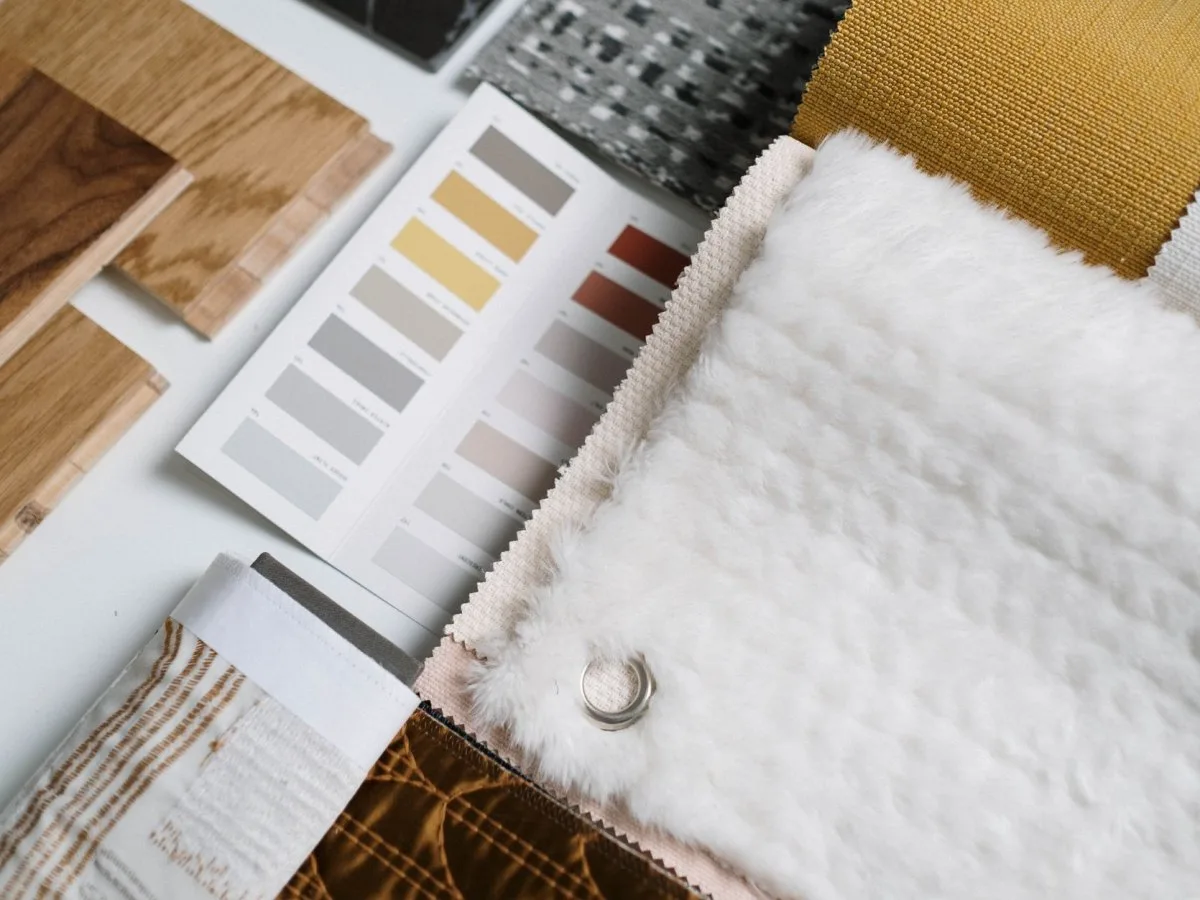
Objects, materials and everyday life
The touring exhibition Material Tales: The Life of Things takes designed objects as a starting point for thinking about design. An object is not presented as an isolated form, but as a knot of decisions: which material is chosen, how it is transformed, how it is used, and what consequences that use has for daily life and the environment.
The exhibition examines the relationship between designed objects and materials on two complementary levels: people’s everyday lives and the planet. This dual perspective makes it possible to read design not only as a discipline of form, but as a practice that shapes routines, perceptions, spaces and material flows.
Materials as mediators
As an editorial interpretation, a material is not merely a technical input; it can also be understood as something that shapes how an object is supported, handled, repaired, stored and discarded. Materiality can influence weight, texture, durability, tactile sensation and the relationship between the body and space. When an object is designed, what is chosen is not only a function, but also a way of inhabiting time.
From an editorial perspective, the exhibition invites a shift from the aesthetic question to the material one: not only how an object looks, but what it makes possible, what it makes unlikely, and what kinds of maintenance, care or end-of-life considerations it entails. This perspective does not turn the object into a problem; rather, it makes the object a point of observation for understanding broader systems.
The planet as part of the question
The planetary dimension is not an added theme, but part of how the exhibition is defined. Designed objects and their materials can have consequences beyond immediate use, including resource use, production processes, waste and living conditions. The exhibition can be read as an invitation to consider design alongside these consequences.
As an editorial interpretation, this dimension can be understood as an invitation to broaden the scale of analysis. The everyday object and the planet are not separate subjects, but two levels of the same network of decisions. As the touring exhibition moves beyond a single location, it also extends the reach of this question, allowing different audiences to encounter it in different contexts.
Research in action in London
The subtitle Research in Action points to an active research dimension. The exhibition is not limited to presenting objects; it also brings together a process of inquiry associated with London and the Design Museum London. This location places the exhibition in a museum context, where design is studied both as a practice and as an object of analysis.
Research in action can be read as a way of working in which the exhibition is not only an outcome, but also a space for asking questions. In this approach, the exhibition becomes a starting point for reflection, debate and the continued development of ideas about design, materials and everyday life.
Mars as a design scale
As part of the touring exhibition, a major challenge is raised: the possibility of taking people to Mars. That challenge requires designing spacecraft for an eight-month journey, habitats in which people can live, transformed landscapes and new forms of society, because every part of this collective undertaking requires design.
This planetary and spatial scale broadens the exhibition’s question: if design affects everyday life and the planet, it also becomes a condition for projects that redefine human habitat. This editorial reading does not treat Mars as a decorative theme, but as a limit case for the question: what objects, materials and systems are needed to make life possible in another environment?
A reading of design
The exhibition offers a framework for thinking about design through its consequences. The point is not to judge objects as good or bad, but to make visible the network of decisions that produces them: material, function, use, maintenance, context and scale. This network connects the domestic with the planetary, and the everyday with the technical.
For design practice, this editorial reading suggests that research does not end with the final form. It also unfolds in material selection, anticipating uses, relating to the body and considering wider impacts. By bringing objects, materials and questions of planetary scale into relation, the touring exhibition becomes a way to rethink design as a situated practice.
At a glance
Scope
Editorial reading; it does not constitute a visit or a technical assessment.
Sources and references
Material Tales: Research in Action ↗24/10/2026 Material Tales: Research in Action. Design Museum London.
Material Tales: Research in Action London ↗24/10/2026 Material Tales: Research in Action London. Design Museum London.
Material Tales: The Life of Things touring exhibition ↗24/10/2026 Material Tales: The Life of Things touring exhibition. Design Museum London.