





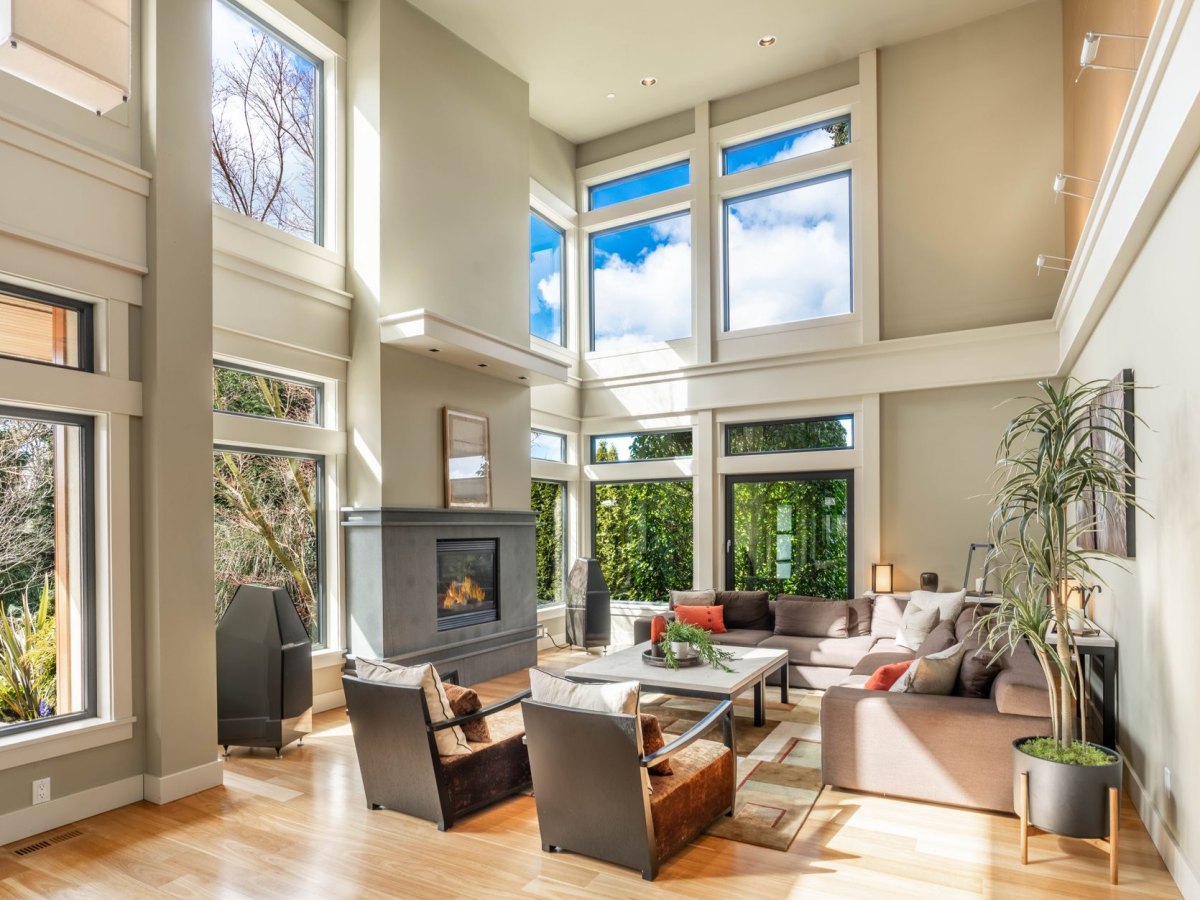
The home as a space for experimentation
In a context of reduced mobility and isolation, designer Robert Stadler reflects on our relationship with everyday objects. In his article for Vitra, he argues that time spent at home need not mean inactivity: it can offer a chance to rediscover an active, creative way of inhabiting our surroundings. Interior and furniture design, he suggests, can encourage curiosity and the pleasure of experimentation, making the home a personal playground.
Against aesthetic sameness
Stadler’s central criticism is that domestic interiors have become standardized in the digital age. He describes spaces as predictable compositions repeated across social media, where originals and copies can be difficult to tell apart. This global sameness turns residents into props in curated settings, leaving little room for difference and inviting a feeling of indifference.
Home Active proposes an alternative to this passivity: a way of designing in which people engage with things openly, with curiosity and without preconceptions. Rather than arranging a home primarily to fit a recognizable style, residents might treat it as a setting for their own changing needs and ideas.
Historical precedents and participation
Stadler draws on earlier approaches that challenged rigid ideas about domestic space. He points to Adolf Loos’s Raumplan, which held that an interior should adapt to its user, and Achille Castiglioni’s installation at Villa Olmo, whose unusual combination of objects suggested freedom from narrowly prescribed social functions.
He also cites Enzo Mari’s Autoprogettazione, a project that invited people to build their own furniture. In Stadler’s account, Mari’s instructions left room for flexible choices in finish and precision, distinguishing the project from a prescriptive, industrial model of do-it-yourself design. Together, these examples suggest that participation can be part of how a home is designed and used—not just a matter of choosing among finished objects.
Objects that invite discovery
A design can also engage its user by withholding an obvious function. Stadler names Friedrich Kiesler’s Correalistic Rocker and Konstantin Grcic’s Stool-Tool as examples of pieces that prompt people to discover possible uses. Their functional ambiguity encourages active interaction and unsettles familiar categories of art and design.
Put people back at the centre
Stadler asks why contemporary design so often concentrates on individual objects, leaving interiors to decorators and style editors. His proposal is for designers to reclaim a more integrated view of space and refocus attention on people and their ability to embrace the unknown.
Seen this way, the home is not simply a display setting. It can be a field of investigation, shaped by the creativity of the person living in it. The practical implication is less about a particular look than about making room for residents to experiment with their surroundings.
At a glance
Scope
Editorial reading; does not constitute a visit or technical assessment.
Sources and references
Home Active | Official Vitra® Online Shop ES ↗ · 18/10/2026